
Services
BOTOX for Jaw Pain & Chronic Migraine
Jaw tension, facial pain, and frequent headaches can overlap, but they do not all have the same cause. A focused evaluation helps determine whether symptoms come from overactive chewing muscles, a temporomandibular disorder, chronic migraine, or another condition that needs referral. When clinically appropriate, botulinum toxin may be discussed as one part of a broader care plan.
Overview
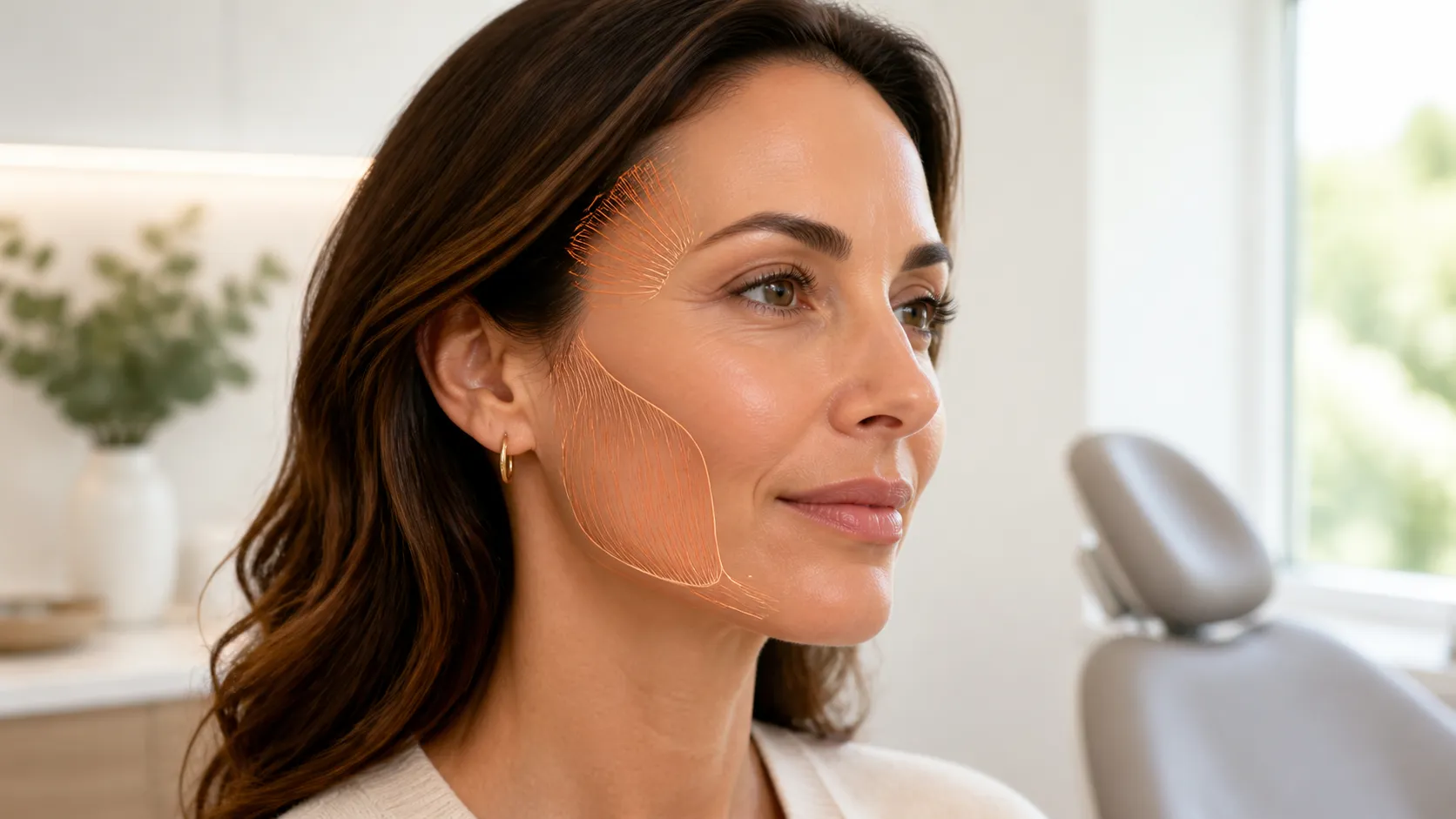
A diagnosis-led visit
Understand the cause before choosing treatment.
- Treatment starts with a history and examination rather than an injection appointment.
- BOTOX is FDA-approved for prevention of chronic migraine in qualifying adults, but not for temporomandibular disorders (TMDs).
- For TMD-related symptoms, evidence remains limited; conservative care and referral options are reviewed first.
What to expect
Symptom review
We discuss headache frequency, jaw clenching, facial pain, limited opening, medications, prior treatment, and health history. Painful clicking, locking, or a changing bite may require additional evaluation.
Head, neck, and jaw examination
The clinician checks jaw movement and the chewing muscles, including the masseter and temporalis, and determines whether dental, joint, muscle, or neurologic factors may be contributing.
A diagnosis-led recommendation
Options may include self-care, an oral appliance, physical therapy or medical referral. Botulinum toxin is discussed only when the findings, benefits, limitations, and risks make it a reasonable option.
Treatment and follow-up
If treatment is appropriate and accepted, injection sites are selected for the diagnosed condition. Follow-up is used to assess response, side effects, and whether additional care is needed.
Frequently asked
No. Botulinum toxin is not FDA-approved for temporomandibular disorders. Studies of injections into chewing muscles are limited, and it is not yet clear how reliably they relieve TMD symptoms.
The FDA-approved indication is prevention of headaches in adults with chronic migraine: at least 15 headache days per month, with headaches lasting four hours a day or longer. Diagnosis and treatment may require coordination with a medical clinician.
No. Tooth problems, sinus conditions, joint disorders, muscle pain, nerve pain, and migraine require different care. The examination is intended to identify the likely source and arrange referral when appropriate.
Possible effects include injection-site discomfort, bruising, temporary weakness, facial asymmetry, chewing changes, headache, or neck discomfort. Botulinum toxin products also carry a boxed warning about rare spread of toxin effect that can cause swallowing or breathing problems. The clinician reviews contraindications and consent before treatment.
Response and duration vary by diagnosis and patient. Chronic migraine treatment schedules are commonly assessed in 12-week cycles, while any off-label jaw-muscle treatment must be individualized.
Related services
You might also need
Ready to talk about botox for jaw pain & chronic migraine?
No pressure, no lecture — just tell us what's going on and we'll find a time that works.